How Long to Charge a Car Battery and Car Battery Replacement
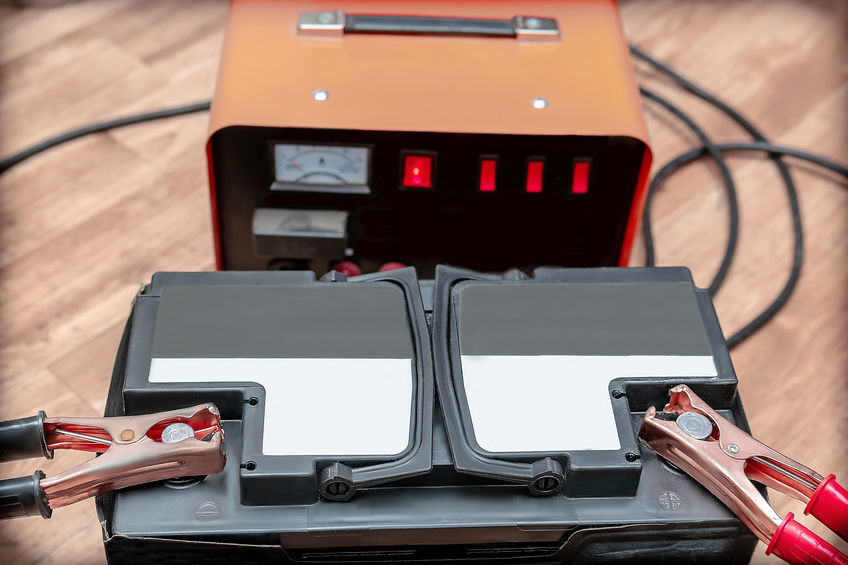
Car batteries are the heart of your vehicle’s electrical system. They power everything from the ignition to the lights. Understanding how long to charge a car battery and when to replace it is crucial for every car owner.
Charging a car battery isn’t just about plugging it in. It involves knowing the right duration and method. This ensures your battery remains healthy and reliable.
Car battery life can vary, but regular maintenance can extend it. Recognising the signs of a failing battery can prevent unexpected breakdowns.
Replacing a car battery requires choosing the right type and size for your vehicle. Professional services can make this process seamless and safe.
In this article, we’ll explore everything you need to know about car batteries. From charging times to replacement tips, we’ve got you covered.
Understanding Car Battery Basics
Car batteries are essential for starting your vehicle and powering its electronics. They store energy and deliver it as needed.
The typical car battery is rechargeable and lasts about 3 to 5 years. Factors like usage, maintenance, and weather conditions affect this lifespan.
Here are key features of car batteries:
- Voltage: Usually 12 volts for most vehicles.
- Capacity: Measured in amp-hours (Ah), indicates energy storage.
- Cold Cranking Amps (CCA): Essential for starting in cold weather.
By understanding these basics, you’re better equipped to maintain your car battery’s health.
How Long Does It Take to Charge a Car Battery?
Charging a car battery is not a one-size-fits-all process. It typically requires 4 to 24 hours. This depends on several factors, such as the charger’s type and the battery’s condition.
For a moderate charge, a standard car charger can take about 10 hours.
However, a faster process might take only 4 hours with a higher amp charger.
When determining the best charging approach, consider these common factors:
- Battery condition: Older batteries may take longer.
- Charger type: Fast chargers are quicker but can be harsh on batteries.
- Battery size: Larger batteries require more time.
Ultimately, it’s wise to assess your battery’s specifics to determine the appropriate charge time.
The key is finding a balance that maintains battery health. If you’re in any doubt, contact your local Autocentre who can charge your battery for you.
Factors Affecting Charging Time
Charging time can vary based on several considerations. Knowing these can help you plan effectively. Consider:
- Battery age: Older batteries hold less charge and require more time.
- Charger output: Higher amp chargers reduce charging time.
- Battery’s initial charge state: A fully depleted battery charges slower at first.
These factors need assessment before charging your battery.
Understanding these variables ensures that you efficiently charge your battery and maintain its longevity.
Fast Charging vs. Slow Charging
When choosing between fast and slow charging, weigh their pros and cons:
- Fast Charging: Quick but may damage battery life if used frequently.
- Slow Charging: Gentler on your battery and promotes longevity.
Consider your battery’s condition before deciding. Balancing speed and care leads to optimal battery performance.
Signs Your Car Battery Needs Attention
A car battery can display several signs when it’s failing. Recognising these early can help to prevent untimely breakdowns. Most issues are easily noticeable during regular use.
Watch for the following indicators of battery trouble:
- Dim headlights: Indicates a weak battery unable to power them fully.
- Slow engine crank: The engine struggles to start.
- Check engine light: Often signals battery-related issues.
These signs suggest it’s time for a battery inspection. Early attention to such symptoms can save you from unexpected inconveniences. Prioritising battery care ensures your vehicle runs smoothly.
Car Battery Life and Duration
The lifespan of a car battery typically ranges from 3 to 5 years. Various factors influence this duration, including usage and maintenance. Regular care can greatly extend battery life.
Several elements can impact the longevity of your battery:
- Driving habits: Short trips can drain the battery faster.
- Weather conditions: Extreme temperatures harm battery health.
- Maintenance routines: Frequent checks help spot issues early, like during vehicle servicing.
Paying attention to these factors can help optimise the performance of your car battery.
Investing in high-quality components and regular checks ensures your battery supports reliable vehicle operation.
When and How to Replace Your Car Battery
Understanding when to replace your car battery is key to avoiding unexpected breakdowns.
Typically, car batteries last between 3 to 5 years. Various factors affect this, including climate and usage patterns.
Signs you need a new battery often include slow engine starts and dim headlights. These are tell-tale indicators of a weakening battery that could fail soon.
Follow these steps for battery replacement:
- Select the correct battery size: Ensure compatibility with your vehicle.
- Turn off the engine and disconnect the terminals: Start with the negative terminal.
- Remove the old battery and place the new one: Secure it firmly in the tray.
- Reconnect terminals starting with positive: Ensure a snug fit to avoid disconnection.
Finally, ensure old batteries are disposed of responsibly, as they contain harmful chemicals.
This prevents environmental damage and promotes sustainable practices.
Mr Clutch Autocentres offer a full battery replacement and disposal service, so if you’d rather leave it to the professional, get in touch today.
Professional Tips for Car Battery Maintenance
Regular maintenance extends your car battery’s lifespan and ensures reliable performance. It’s wise to follow these expert tips for optimal care:
- Inspect battery terminals: Regularly check for corrosion and clean as needed.
- Test charge levels: Use a multimeter for voltage checks.
- Check physical condition: Look for leaks or swelling.
- Drive regularly: Avoid long periods of inactivity.
These simple practices help maintain battery efficiency and prevent common issues, ensuring your car starts smoothly every time.
Conclusion: Ensuring Reliable Starts Every Time
Caring for your car battery is key to avoiding unexpected breakdowns. Regular maintenance and timely replacements ensure reliable starts.
Being proactive about your battery’s condition can prevent costly issues. Trusting a professional for installation and guidance offers peace of mind. Prioritising battery health keeps your vehicle ready when you need it most.
UPDATED
