Does my car have a wet belt?
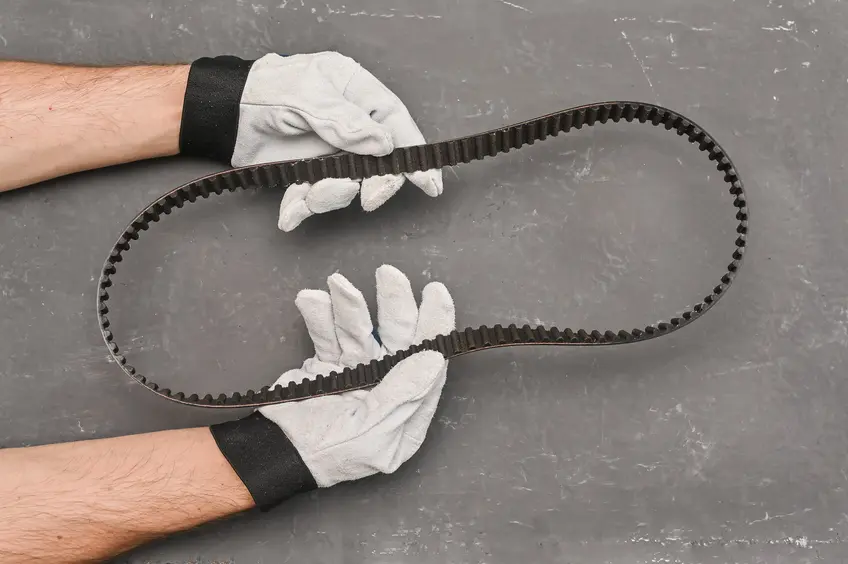
Understanding your car’s engine components is crucial for proper maintenance. One such component is the wet belt, also known as an oil-immersed timing belt.
Wet belts are becoming more common in modern vehicles, especially in newer models and brands like Ford. They operate inside the engine, lubricated by engine oil, which reduces friction and noise.
This guide will help you determine if your car has a wet belt. Knowing whether your car has a wet belt can save you from unexpected engine issues. It can also help you plan for necessary replacements.
Stay informed about your vehicle’s timing system to ensure a smooth and efficient driving experience.
What is a wet belt?
A wet belt is a type of timing belt used in some car engines. Unlike traditional timing belts, wet belts function inside the engine and are lubricated by engine oil. This lubrication reduces wear, noise, and friction.
Wet belts are part of the engine’s timing system that synchronises the rotation of the crankshaft and camshaft. This synchronisation is essential for the proper opening and closing of engine valves.
Wet belts have several advantages over dry timing belts. These advantages include a longer lifespan and improved engine performance. They are commonly found in newer vehicles due to their efficiency and reduced maintenance needs.
Which cars have wet belts?
Wet belts are not universally found in all vehicles. They are more common in newer models, especially in certain brands. Manufacturers like Ford have adopted wet belts in their EcoBoost engines.
The choice to use a wet belt often depends on the engine design. Modern engines favour wet belts for their efficiency. As automotive engineering progresses, more cars might include these belts for improved performance.
To identify cars with wet belts, consider the following:
- Newer model vehicles
- Brands like Ford, especially EcoBoost engines, Peugeot, Citroen and Vauxhall
- Vehicles focusing on fuel efficiency and reduced emissions
Always check with your car’s manufacturer or consult the owner’s manual. This can confirm if your car has a wet belt. Engaging with a certified mechanic can also provide insights into your car’s specific timing system.
How to check if your car has a wet belt
Determining if your car has a wet belt involves a few key steps. First, consult your vehicle’s manual. This is often the most direct source of accurate information.
If the manual is unclear, contact the manufacturer or your dealership.
They can confirm engine specifications and whether a wet belt is included. Your model and year of manufacture play a significant role in this.
Additionally, a certified mechanic can assess your car. They have the expertise to identify your car’s timing system. Utilise their skills to ensure accurate information.
Key steps to find out:
- Read your vehicle’s manual
- Contact the manufacturer or dealership
- Consult a certified mechanic
Being informed about your car’s components aids in effective maintenance planning and vehicle care.
Wet belt maintenance and lifespan
Proper maintenance of a wet belt can extend its lifespan significantly. Regular oil changes are crucial since the belt is lubricated by engine oil. Ensure the oil level is adequate to minimise wear and tear on the belt.
Wet belts generally last between 100,000 to 150,000 miles. However, following the manufacturer’s guidelines is important to prevent premature damage. Overlooking these intervals might result in costly repairs.
Monitoring your car’s performance can also indicate the belt’s condition. Sudden changes may suggest it’s time for a replacement. Remember, a timely check can save you from serious engine damage.
To maintain your wet belt:
- Perform regular oil changes
- Check manufacturer maintenance intervals
- Monitor engine performance for issues
Adhering to these maintenance tips can prolong the life of your wet belt, ensuring your engine runs smoothly.
Ford wet belt replacement: What you need to know
For Ford owners, understanding wet belt replacement is essential. Ford uses wet belts in some of their EcoBoost engines. These require special attention to maintain efficiency and performance.
Replacing a wet belt is more complex than a dry belt due to its location. The engine must be partially disassembled, which increases labour costs. Consulting with a professional mechanic ensures proper installation and avoids further engine issues.
Timeliness is crucial for replacement. Failing to replace a worn belt can lead to extensive engine damage. Keep track of your vehicle’s mileage and follow Ford’s recommended replacement intervals, typically between 100,000 to 150,000 miles.
Important points include:
- Complex replacement process
- Professional mechanic recommended
- Mileage-based replacement intervals
Careful maintenance of your Ford’s wet belt ensures long-term vehicle health and performance.
Conclusion: Staying proactive with wet belt care
Staying proactive with wet belt care is crucial for preventing costly engine repairs. Regularly check your vehicle’s manual for maintenance guidelines and follow recommended intervals. This simple habit can extend the life of your engine.
Being aware of the signs of wear ensures timely repairs and replacements. Regular engine check-ups and oil changes help maintain the wet belt’s efficiency. By staying informed and proactive, you ensure your car runs smoothly and efficiently for years to come.
Here at Mr Clutch Autocentres we offer fixed price wet belt replacements, offering our customers great value and real peace of mind.
UPDATED
