What Does MOT Stand For?
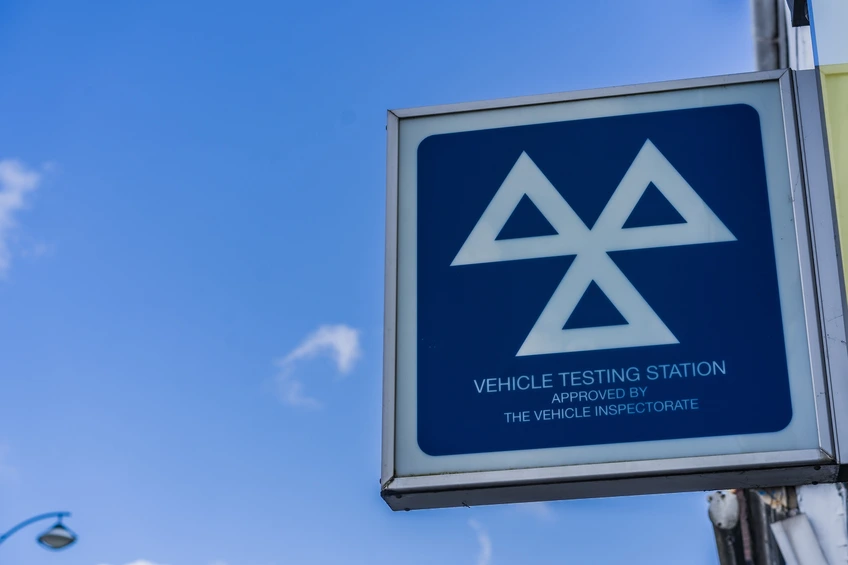
MOT stands for Ministry of Transport. It’s a name that stuck from the days when that government department introduced a formal roadworthiness test for vehicles. In modern day UK driving, ‘an MOT‘ usually means the annual vehicle test (not the department itself): a legally required check that confirms your vehicle meets minimum safety and environmental standards on the day of the test.
What is the meaning of the MOT acronym?
The letters still refer to the Ministry of Transport, but the system is now administered through today’s testing scheme and rules. Put simply, an MOT is a standardised inspection carried out at an approved test centre to confirm key items (like brakes, tyres and lights) meet legal requirements. It isn’t the same as a service, and it won’t catch every developing mechanical issue.
The history of the MOT test
The MOT test was introduced by the Ministry of Transport in 1960 as a way to improve road safety by setting a consistent, legally backed minimum standard for vehicle condition. In its early form, the test applied to older vehicles first, and the age at which a vehicle needed its first test was later reduced as the scheme expanded.
Over time, the MOT developed in two important ways:
Who and what it covers: the rules have been updated to reflect how people use vehicles today, including when different types of vehicles need testing.
What gets checked: the list of inspection items has changed as vehicle technology has evolved, with more attention to safety-critical components and, where relevant, environmental performance (emissions).
Even though the Ministry of Transport no longer runs the scheme day to day, the name ‘MOT’ remains the commonly used shorthand for the UK’s roadworthiness test.
When do you need an MOT in the UK?
In Great Britain (England, Scotland and Wales), most cars and light vans need:
a first MOT by the third anniversary of first registration, and
then an MOT every 12 months.
Northern Ireland runs testing on a different timetable and through a different booking system, so don’t rely on Great Britain rules if the vehicle is registered there.
Are any vehicles exempt?
Yes. Some vehicles don’t need an MOT (or may qualify for an exemption) depending on their type, age and how they’ve been modified. A common example is certain historic vehicles that meet the exemption criteria. Even if a vehicle is exempt, the legal responsibility remains the same: it must be kept roadworthy at all times.
What an MOT does not cover
An MOT is not a full health check. Items like clutch wear, engine condition, and many day-to-day reliability issues may fall outside the MOT’s scope. That’s why regular servicing and preventative maintenance still matter-even if you’ve just passed your test.
So, what does MOT stand for-and what should you remember?
MOT means Ministry of Transport, but today it’s best understood as the UK’s standard roadworthiness test. Passing an MOT shows your vehicle met the legal minimum on the test day. Keeping the vehicle safe, maintained and roadworthy is still an everyday responsibility-right up to (and beyond) your next MOT date.
If you need to book an MOT, or assistance to keep your vehicle safe and well maintained, contact your local Mr Clutch Autocentre who will be happy to help!
UPDATED
