What Engine Oil Do I Need for My Car?
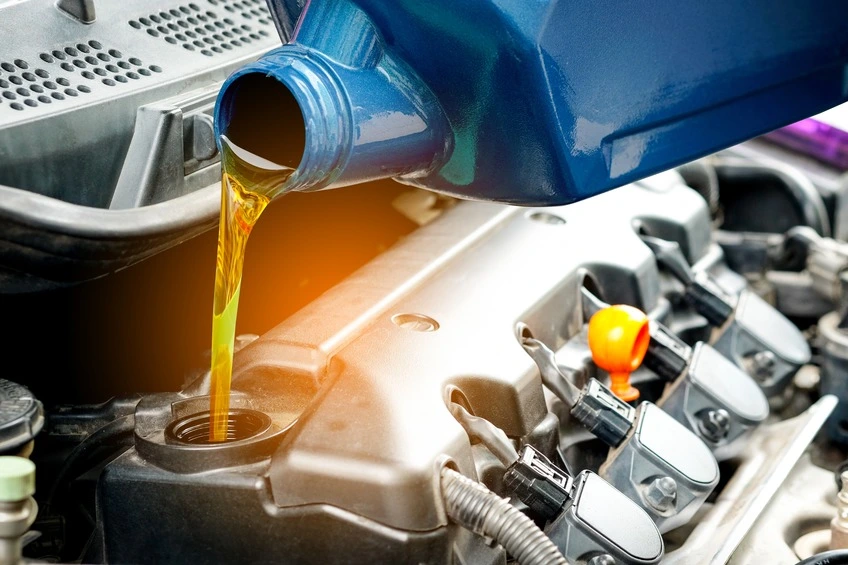
Choosing the right engine oil for your car is crucial. It ensures your engine runs smoothly and efficiently. But with so many options, it can be confusing.
Engine oil is more than just a lubricant. It reduces friction, prevents wear, and helps cool the engine. Different cars need different oils based on their specifications.
Synthetic engine oil offers superior performance and protection. It’s more stable at high temperatures and can extend the time between oil changes. Regular engine oil changes are vital for maintaining engine health.
This guide will help you understand what engine oil you need for your car. We’ll cover types, grades, and the benefits of synthetic oils.
Why Engine Oil Matters for Your Car
Engine oil is essential for the health of your car. It lubricates engine parts, reducing friction that can cause wear and tear. A well-lubricated engine is a more efficient engine.
Without proper oil, engines can overheat and fail. Oil carries away heat, preventing the engine from reaching damaging temperatures. This cooling effect is vital for avoiding costly repairs.
Engine oil also helps keep the engine clean. It captures dirt and particles, preventing them from damaging the engine. Key roles of engine oil include:
- Lubricating moving parts
- Cooling engine components
- Cleaning by trapping contaminants
The right engine oil ensures longevity and performance for your vehicle. Regular checks and oil changes are essential.
Understanding Engine Oil Types: Conventional, Synthetic, and Blends
Selecting the right engine oil involves understanding the types available. Each type provides different benefits for your car engine. Let’s explore the three main types: conventional, synthetic, and blends.
Conventional oil is derived from crude oil and is the most basic form. It generally costs less and is suitable for older vehicles with simpler engine designs.
However, it may require more frequent changes and offers less protection at extreme temperatures.
Synthetic engine oil is chemically engineered for superior performance. It provides better protection against heat, friction, and deposits. It’s ideal for modern engines that demand high performance and efficiency.
Blends mix conventional and synthetic oils. They offer a middle ground for performance and cost. Blends provide improved protection compared to conventional oil but at a lower price than full synthetics.
Here are some factors to consider when choosing between oil types:
- Your vehicle’s make and age
- Driving conditions (e.g. climate, urban vs. motorway)
- Budget and maintenance schedule
Each oil type serves distinct needs and conditions. Selecting the right one helps ensure optimal engine performance.
How to Read Oil Grades and Viscosity Ratings
Understanding oil grades and viscosity is crucial for selecting the right engine oil.
These factors dictate how oil performs in different temperatures and conditions.
Oil grades, such as 5W-30 or 10W-40, indicate viscosity. The numbers represent how thick or thin the oil remains under specific conditions. The first number followed by ‘W’ stands for winter, showing the oil’s flow in cold temperatures. The second number demonstrates how the oil behaves at engine operating temperatures.
Viscosity ratings are vital for engine efficiency. Thinner oils flow easily, providing better lubrication in cold starts. Thicker oils offer superior protection against heat and wear in high temperatures.
Consider these when reading oil labels:
- Choose according to your climate
- Follow your car manufacturer’s recommendations
- Match oil grade with engine needs
These elements help ensure efficient engine operation and protection against wear and tear.
How to Find the Right Engine Oil for Your Car
Finding the right engine oil for your car can seem daunting.
But, knowing where to look simplifies the task.
Begin by consulting your car’s owner manual. This resource provides the manufacturer’s recommended oil type and grade. Always prioritise these specifications for optimal performance.
Consider environmental factors. For example, extreme temperatures may require oils with specific viscosity ratings. Adjust your choice according to driving conditions too, such as city versus motorway driving.
Using a reputable oil brand is crucial. Different brands offer unique formulations, so select a trusted one to ensure quality and consistency.
Here’s a checklist to guide your selection:
- Check your car’s manual
- Take note of the driving environment
- Consider oil brands known for quality
- Contact your local Mr Clutch Autocentre who will be happy to advise you
These steps ensure you choose the correct oil, safeguarding your car’s engine over time.
The Benefits of Synthetic Engine Oil
Synthetic engine oil offers numerous advantages that enhance vehicle performance.
These oils are engineered to withstand extreme temperatures with greater stability than conventional oils.
One of the key benefits is superior engine protection. Synthetic oils have fewer impurities, which reduces engine wear and tear over time. They also offer better lubrication, resulting in smoother operation.
In addition, synthetic oils extend the intervals between oil changes. They have higher resistance to oxidation, thus retaining their properties longer. Although initially pricier, the long-term benefits often offset the cost.
Advantages of synthetic engine oil include:
- Better temperature stability
- Enhanced engine protection and wear reduction
- Longer-lasting oil, reducing change frequency
Using synthetic engine oil can improve your car’s longevity and performance dramatically.
When and How Often Should You Change Engine Oil?
Regular engine oil changes are critical for maintaining optimal engine health.
Over time, oil degrades, becoming less effective at lubricating and protecting engine parts.
The recommended oil change interval varies depending on several factors. For traditional engine oil, the interval might be as frequent as every 3,000 miles, while synthetic oils can extend this up to 7,500 or even 10,000 miles in some cases. Always consult your car’s manual for specific guidelines.
Consider these factors to determine your oil change frequency:
- The type of oil used (synthetic vs. conventional)
- Driving conditions (city driving vs. motorway)
- Age and mileage of the vehicle
By adhering to these guidelines, you can ensure your engine runs smoothly and efficiently. Regular maintenance keeps your vehicle in top condition.
Common Engine Oil Questions Answered
Car owners often have questions about engine oil. Understanding the basics can prevent mistakes and prolong engine life.
A frequent question is: How often should oil be checked? The answer is monthly. Regular checks help maintain optimal levels and quality.
Another question concerns oil colour. What does dark oil mean? Dark oil can indicate contamination or breakdown, signalling a need for an oil change.
Here’s a quick list of common questions:
- When should oil be checked? Monthly.
- What does dark oil mean? Possible contamination.
- Can I switch oil types? Yes, but follow recommendations.
Knowing these basics helps maintain engine health and ensures your vehicle performs efficiently.
Key Tips for Engine Oil Maintenance
Proper engine oil maintenance is vital for a well-running car. Neglecting it can lead to costly repairs.
One crucial tip is to follow the manufacturer’s oil change intervals. Doing so ensures optimal engine performance and longevity. It’s also wise to check your oil level and quality between scheduled changes.
To keep your engine healthy, remember these key tips:
- Stick to the manufacturer’s oil change schedule.
- Regularly check oil levels and condition.
- Use recommended oil grades and types.
These simple practices help protect your car engine, save money on repairs, and maximise fuel efficiency. Regular attention to engine oil maintenance extends your vehicle’s lifespan.
UPDATED
